United’s ‘Son of Concorde’ Aircraft Will Travel to Europe in 3 Hours, Asia in 6
The X-59’s “quiet boom” technology promises to revolutionize air travel, potentially making supersonic commercial flights over land a viable reality by 2029 and ushering in a new era of speed and connectivity. The dream of zipping across continents in a fraction of the time has captivated engineers and travelers alike, and the progress being made in supersonic aircraft development suggests this dream may soon become a tangible experience.
The retirement of the Anglo-French Concorde over two decades ago marked the end of an era for commercial supersonic travel, leaving a void in the market for ultra-fast intercontinental flights. High operating costs, particularly fuel consumption, coupled with noise restrictions due to the disruptive sonic boom, ultimately led to the Concorde’s demise. However, advancements in aviation technology and a renewed focus on sustainable practices are now paving the way for a potential resurgence of supersonic flight, promising to overcome the challenges that plagued its predecessor. NASA’s ongoing testing of advanced supersonic aircraft models, spearheaded by the X-59 program, signifies a significant step towards this future.
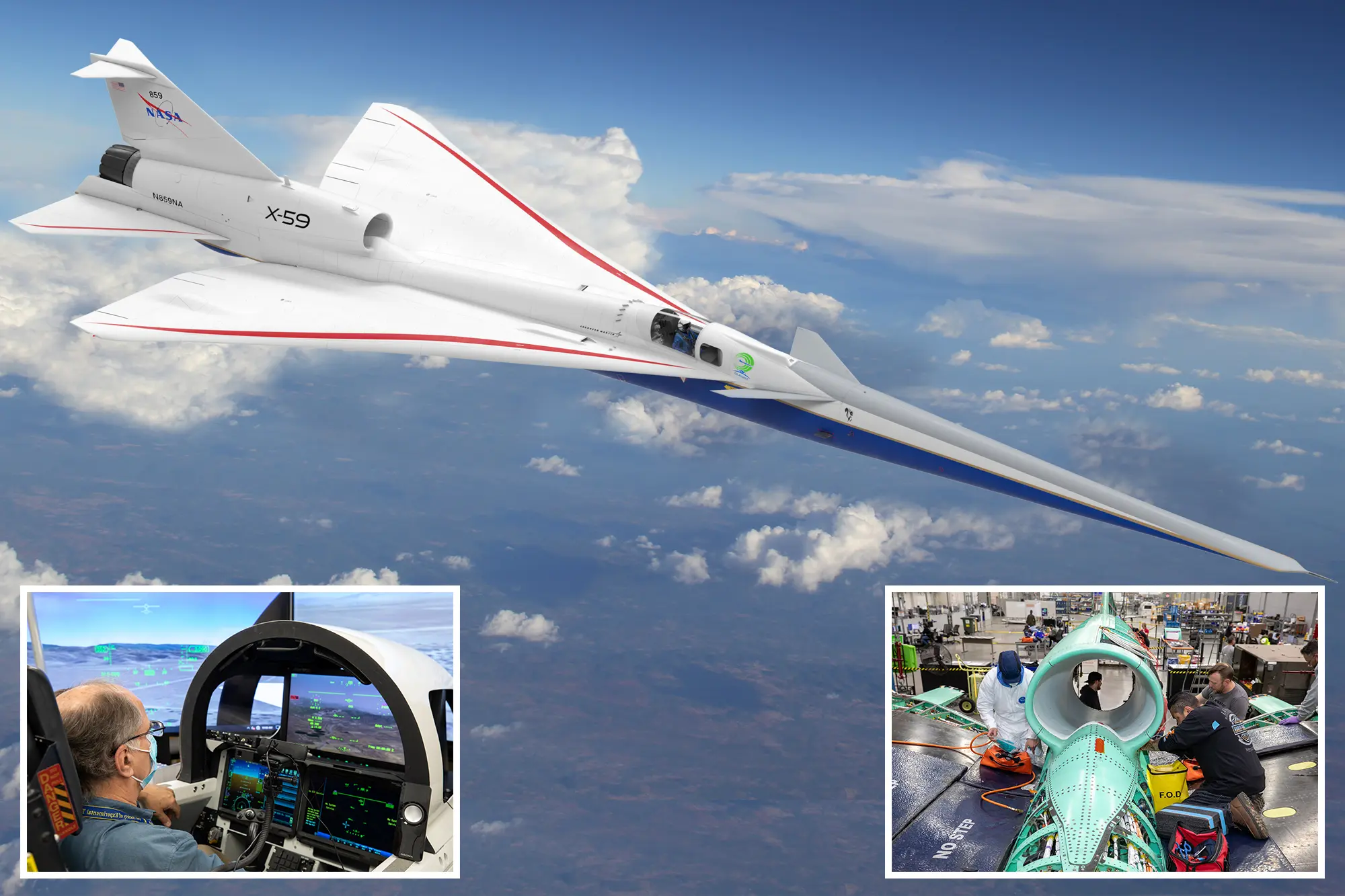
Lockheed Martin, under contract with NASA, is currently constructing the X-59 prototype in California. A crucial aspect of the X-59 project is its focus on mitigating the impact of sonic booms. The aircraft’s design incorporates advanced technologies aimed at dampening the sonic boom effect, reducing the disruptive noise to a more manageable "sonic thump." These test flights over communities near the construction site are critical to ensure the efficacy of this technology. The ability to significantly reduce the noise associated with supersonic flight is paramount to enabling commercial operations over land, opening up a vast network of potential routes that were previously inaccessible.
The sonic boom, a well-known byproduct of supersonic travel, occurs when an aircraft exceeds the speed of sound, generating shock waves that propagate through the atmosphere. These shock waves, upon reaching the earth’s surface, can produce noise levels exceeding 110 decibels, comparable to a thunderclap or a powerful explosion. The intensity of the sonic boom was a major impediment to the widespread adoption of supersonic travel, limiting Concorde operations to primarily over-ocean routes and contributing to its eventual economic challenges.
The Concorde’s history is a testament to both the allure and the challenges of supersonic flight. Its introduction to the United States was initially delayed due to concerns surrounding noise pollution, but it was eventually granted permission to operate from U.S. airports in 1976. Air France and British Airways were the sole operators of the Concorde, offering transatlantic flights for nearly three decades. However, rising fuel costs and declining passenger demand, driven by the high ticket prices necessary to sustain supersonic travel, ultimately led to the aircraft’s retirement in 2003.
The X-59, designed to cruise at an altitude of 55,000 feet and a speed of Mach 1.4 (925 mph), represents a significant advancement in sonic boom mitigation technology. Instead of a disruptive boom, the aircraft is engineered to produce a softer "sonic thump," comparable to the sound of a car door closing. This breakthrough would enable supersonic flight over land, expanding the potential route network and making supersonic travel more accessible. While the X-59’s cruising speed is lower than the Concorde’s Mach 2.02 (1,330 mph), its ability to fly supersonic over land could allow it to achieve comparable travel times between New York and Europe.
A pivotal moment in the resurgence of supersonic travel occurred in June 2025 when the ban on commercial supersonic flight in U.S. airspace was lifted. This decision paved the way for the development and operation of supersonic aircraft to destinations both over land and sea, signaling a shift in regulatory attitudes towards supersonic aviation.
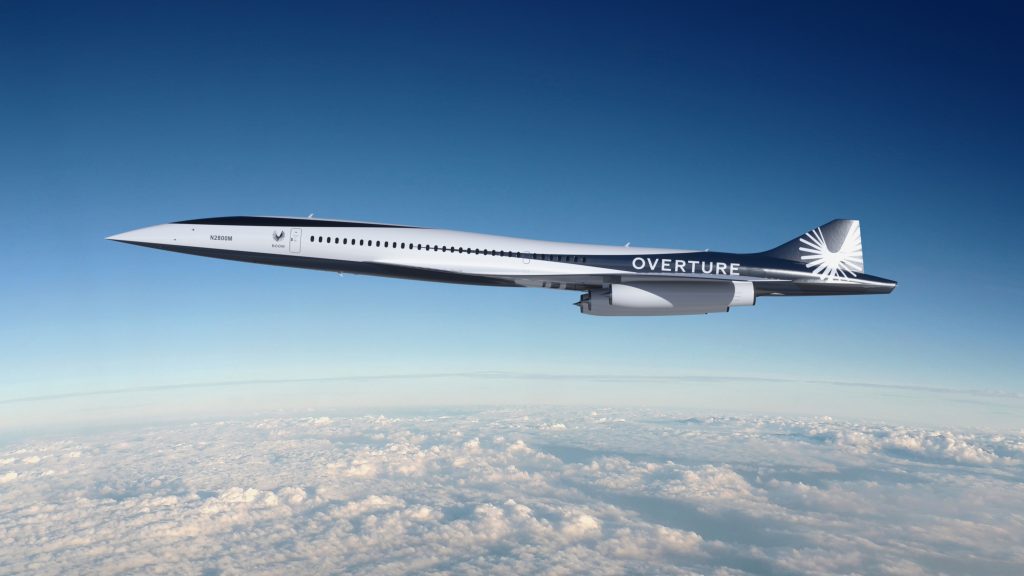
Several companies are actively pursuing the development of commercial supersonic aircraft. Boom Supersonic, with its Overture aircraft, has garnered significant attention and has secured firm orders from United Airlines. The Overture is designed to operate on 100% sustainable aviation fuel (SAF) and is projected to enter service in 2029, pending the fulfillment of United’s stringent safety, operational, and sustainability requirements. The use of SAF is a critical component of the new generation of supersonic aircraft, addressing the environmental concerns that plagued the Concorde.
Boom estimates that the Overture will dramatically reduce flight times on key international routes. Los Angeles to Sydney could be reduced to under nine hours, compared to the current 14.5 hours, while San Francisco to Tokyo could take just 6.5 hours, down from 10.5 hours. Newark to London is projected to be a mere 3.5 hours. The Overture, designed to accommodate 60 to 80 passengers, is planned to operate at Mach 1.7 (1,304 mph) and has also secured firm orders from American Airlines and Japan Airlines, demonstrating strong industry interest in the future of supersonic travel.
The Concorde’s operational history, marked by 24 years of passenger service without a fatality until the Air France crash in 2000, underscores the importance of safety in supersonic flight. The subsequent grounding and modifications to the Concorde, followed by its eventual retirement in 2003, highlight the complex interplay of safety, economics, and public perception in the aviation industry.
The resurgence of supersonic travel is not without its challenges. Beyond technological hurdles and regulatory approvals, economic viability and environmental sustainability remain key considerations. "While the technological advancements are impressive, the long-term success of supersonic travel hinges on its affordability and environmental impact," notes Dr. Emily Carter, a Senior Market Analyst at Global Aviation Insights. "Airlines need to demonstrate that these aircraft can be operated profitably while minimizing their carbon footprint."
The development of sustainable aviation fuels is crucial to the environmental sustainability of supersonic flight. While SAF technology is rapidly advancing, the widespread adoption of SAF remains a challenge due to its higher cost compared to conventional jet fuel. Government incentives and technological breakthroughs are needed to drive down the cost of SAF and ensure its widespread availability. According to a recent industry report, the demand for SAF is projected to increase by an estimated 45% annually over the next decade, driven by growing environmental awareness and stricter emissions regulations.
The economic implications of supersonic travel are significant. The ability to travel between continents in a fraction of the time could boost international trade, facilitate business travel, and stimulate tourism. A study by the International Air Transport Association (IATA) estimates that the introduction of supersonic travel could generate an additional $1.2 billion in economic activity annually, driven by increased connectivity and reduced travel times.
However, the high cost of supersonic travel is likely to limit its accessibility to a niche market of affluent travelers and business executives. "Supersonic travel is unlikely to become a mainstream mode of transportation," says Professor David Miller, a Professor of Public Policy at the Institute for Transportation Studies. "The high ticket prices will likely restrict its appeal to a small segment of the population, primarily those who are willing to pay a premium for speed and convenience."
The global impact of the resurgence of supersonic travel extends beyond the aviation industry. The development of advanced materials, propulsion systems, and noise reduction technologies could have broader applications in other sectors, such as automotive, aerospace, and energy. The technological spillover effects of supersonic travel could drive innovation and economic growth across multiple industries.
Furthermore, the re-emergence of supersonic flight could reshape global travel patterns and influence the development of airport infrastructure. Airports may need to invest in upgrades to accommodate the unique requirements of supersonic aircraft, such as longer runways and specialized maintenance facilities. The increased demand for supersonic travel could also lead to the development of new airport hubs and the expansion of existing facilities.
Looking ahead, the future of supersonic travel is contingent on several factors, including technological advancements, regulatory approvals, economic viability, and environmental sustainability. While the challenges are significant, the potential benefits of supersonic travel are substantial. The ability to travel between continents in a fraction of the time could revolutionize global commerce, facilitate cultural exchange, and bring the world closer together. The development of the "Son of Concorde" aircraft represents a significant step towards realizing this vision, promising to usher in a new era of speed and connectivity in the aviation industry. The advancements being made in noise reduction and sustainable fuel technologies offer a glimmer of hope that the next generation of supersonic aircraft will be both environmentally responsible and economically viable, paving the way for a more sustainable and accessible future for supersonic travel. The success of initiatives like the X-59 and Boom Supersonic’s Overture will ultimately determine whether supersonic travel can overcome the challenges of the past and realize its full potential in the 21st century.