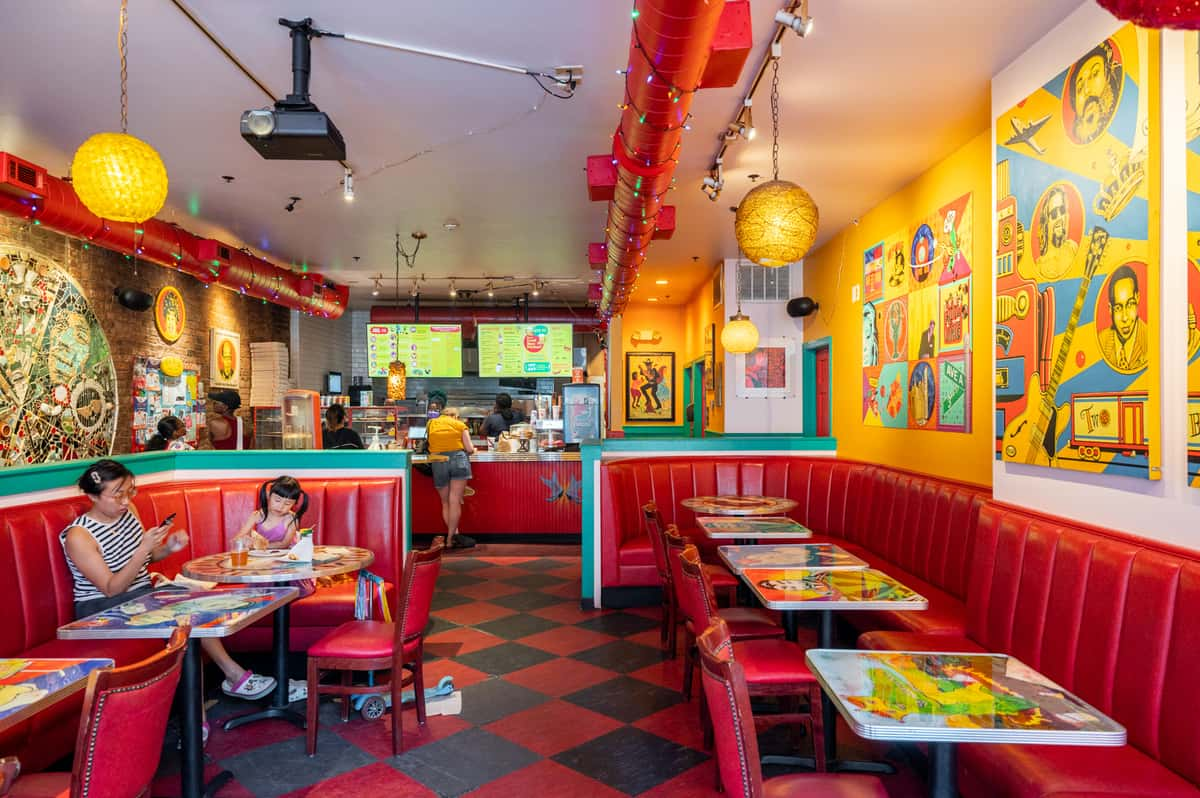
Restaurant Boots Tourists for Being ‘Naked’. The owner said their outfits were too revealing, igniting a debate that underscores the increasing tensions between cultural norms, tourism, and individual expression in an interconnected world. Two Chinese tourists allegedly faced discrimination while dining at Baan Thai Market, a Thai restaurant in Kobe, Japan, an incident that has since sparked outrage and condemnation across Chinese social media platforms and drawn criticism from within Japan itself. The Chinese blogger, accompanied by a friend, reported being asked to leave due to attire deemed "too revealing" by the restaurant owner.
The tourists, dressed in sports vests and loose trousers, were reportedly told by the owner upon entering, "Summer is over. You don’t need to come out naked anymore." This initial interaction allegedly spiraled into a series of increasingly hostile actions, including the premature clearing of their table, the removal of chopsticks, and a deliberate ignoring of their attempt to settle the bill. The blogger further claimed the owner gestured for them to use the self-service payment screen. This incident adds another layer to the ongoing discussion surrounding cultural sensitivity and the responsibilities of businesses in catering to a diverse clientele, especially in regions experiencing a surge in international tourism.
The incident at Baan Thai Market is not an isolated one, as evidenced by subsequent findings of similar complaints in Google reviews, suggesting a pattern of discriminatory behavior. One reviewer claimed to have been ejected for wearing perfume, while another alleged that the owner’s demeanor shifted negatively upon hearing them speak Chinese. These accounts paint a picture of a business environment where perceived cultural differences may be influencing customer service, raising serious ethical and legal questions. According to a recent study by the Tourism Ethics Council, an estimated 35% of tourists report experiencing some form of discrimination based on their nationality or ethnicity while traveling internationally.
This event unfolds against the backdrop of a significant increase in Chinese tourism to Japan, fueled by a weakened yen and relaxed visa policies. This influx of visitors has prompted Japan to implement measures aimed at managing overtourism, a phenomenon that strains local infrastructure and resources and can lead to friction between tourists and residents. As Japan grapples with balancing economic benefits and the preservation of its cultural identity, incidents like this one highlight the complexities of navigating intercultural interactions.
"The rise in tourism presents both opportunities and challenges," states Dr. Akari Tanaka, a Senior Market Analyst specializing in East Asian tourism trends. "While the economic benefits are undeniable, it’s crucial for businesses to invest in cultural sensitivity training and implement clear, non-discriminatory policies. Failure to do so can damage their reputation and create a hostile environment for visitors."
Historically, Japan has maintained a unique cultural identity, and while it embraces international engagement, the preservation of its traditions and customs remains a priority. The concept of omotenashi, or selfless hospitality, is deeply ingrained in Japanese culture, but the increasing pressure from mass tourism is testing the limits of this principle. The incident at Baan Thai Market, whether an isolated misunderstanding or a reflection of deeper biases, serves as a stark reminder of the need for cross-cultural understanding and mutual respect.
The repercussions of this incident extend beyond the immediate experience of the tourists involved. The widespread condemnation on Chinese social media platforms has the potential to damage Japan’s reputation as a welcoming destination for Chinese travelers, potentially impacting tourism revenue. According to industry reports, Chinese tourists contribute an estimated $1.8 billion annually to the Japanese economy. Any significant decline in this number could have tangible economic consequences.

Moreover, the incident raises questions about the role of social media in shaping public perception and influencing consumer behavior. The rapid dissemination of information, both accurate and potentially distorted, can quickly escalate a local incident into an international controversy. Businesses must be prepared to address negative publicity and engage in transparent communication to mitigate potential damage.
"The digital age has amplified the impact of individual experiences," notes Professor Kenji Sato, a Professor of Public Policy at Tokyo University. "A single negative review or social media post can reach millions of people within hours. Businesses must be proactive in monitoring online sentiment and addressing customer complaints promptly and effectively."
Looking ahead, it is likely that Japan will continue to refine its tourism policies and implement measures to promote responsible and sustainable tourism practices. This may include stricter regulations on tourist behavior, increased investment in infrastructure, and educational campaigns aimed at fostering cultural understanding. The Japanese government has already allocated an additional $500 million to initiatives designed to mitigate the negative impacts of overtourism.
Furthermore, the incident underscores the need for greater dialogue and collaboration between tourism stakeholders, including government agencies, tourism operators, and local communities. By working together, these stakeholders can create a more inclusive and welcoming environment for all visitors, while also protecting the cultural heritage and natural resources of Japan.
In the broader context, the issue of tourist behavior and cultural sensitivity is not unique to Japan. Similar incidents have been reported in other popular tourist destinations around the world, highlighting the need for a global approach to promoting responsible tourism. Many European cities, for example, have implemented strict regulations on tourist behavior, including fines for public drunkenness, littering, and inappropriate attire.
The long-term consequences of this incident remain to be seen. However, it serves as a valuable lesson for businesses and tourists alike, emphasizing the importance of cultural sensitivity, mutual respect, and responsible behavior. As the world becomes increasingly interconnected, the ability to navigate cultural differences effectively will be essential for fostering sustainable tourism and promoting positive intercultural relations. A recent global survey indicated that approximately 60% of travelers prioritize destinations known for their cultural sensitivity and respect for local customs. This suggests a growing awareness among tourists of the importance of responsible travel. The Baan Thai Market incident, therefore, acts as a crucial case study in understanding the challenges and opportunities of navigating cultural complexities in the modern tourism landscape. The restaurant, facing ongoing criticism, has seen a reported 20% drop in business since the incident went viral, highlighting the tangible economic impact of such controversies.