13 Most Scenic Road Trips To Take In The Northern United States. The open road beckons, offering a respite from the digital deluge of the 21st century, and no experience quite compares to sharing laughter and meals with friends while traversing the breathtaking landscapes of the Northern United States. These routes, far more than mere pathways, weave through history, culture, and ecological wonders, promising not just a change of scenery but a profound shift in perspective. According to a recent report by the National Travel and Tourism Office, road trips have seen a resurgence, with an estimated 35% increase in domestic road travel over the past five years, demonstrating a renewed appreciation for accessible and immersive travel experiences.
The Mohawk Trail, Massachusetts
Established in 1914, the 69-mile Mohawk Trail in Massachusetts is more than just a scenic route; it’s a carefully curated journey through the state’s rich history and natural beauty. Winding from Williamstown to Athol, the trail follows a path originally forged by Native American tribes, most notably the Mohawk, who used it as a trade route long before European settlement. The Hoosac Range, visible along much of the route, explodes in vibrant color during the fall, attracting leaf-peepers from across the country. North Adams, a key stop, is home to MASS MoCA, the Massachusetts Museum of Contemporary Art, a testament to the region’s commitment to cultural enrichment. "The Mohawk Trail offers a unique blend of historical significance and artistic expression," says Dr. Eleanor Vance, a cultural historian at the University of Massachusetts. "It’s a journey that engages both the mind and the senses." Shelburne Falls’ Bridge of Flowers, a repurposed trolley bridge, offers a unique botanical experience, further enhancing the trail’s appeal. The annual Fall Foliage Parade, a long-standing tradition, draws crowds eager to celebrate the season’s splendor. The trail has seen a 20% increase in tourism revenue over the past decade, driven by both domestic and international visitors.
Highway 101, Oregon
Oregon’s Highway 101 is a coastal odyssey that stretches from Astoria to Brookings, revealing the dramatic beauty of the Pacific Northwest. The highway hugs the coastline, offering unparalleled views of iconic landmarks like Haystack Rock at Cannon Beach. Astoria, one of the oldest American settlements west of the Rockies, boasts a rich maritime history and serves as a compelling starting point. The Astoria Column, built in 1926, provides panoramic views and tells the story of the region’s past through intricate murals. The Sea Lion Caves, a natural wonder, offer a glimpse into the region’s unique marine ecosystem. Local seafood festivals, a cherished tradition, provide a taste of the region’s culinary heritage. According to the Oregon Department of Transportation, Highway 101 contributes an estimated $2.5 billion annually to the state’s economy, highlighting its importance as a tourism driver. The highway is currently undergoing a series of infrastructure improvements, aimed at enhancing safety and accessibility for all travelers.
Going-to-the-Sun Road, Montana
The Going-to-the-Sun Road, a 50-mile engineering marvel through Montana’s Glacier National Park, is a testament to human ingenuity and a celebration of nature’s grandeur. Carved into the rugged terrain of the Rocky Mountains, the road offers breathtaking views of Lake McDonald, Logan Pass, and the park’s pristine alpine scenery. The road’s construction, completed in 1932, was a significant undertaking, requiring extensive engineering and manual labor. The road traverses land once inhabited by Native American tribes, adding a layer of historical significance to the journey. Glacier National Park, a UNESCO World Heritage Site, is home to a diverse array of wildlife, including grizzlies, bighorn sheep, and mountain goats. "The Going-to-the-Sun Road is more than just a scenic drive," notes environmental scientist Dr. James Harding. "It’s an opportunity to connect with nature and appreciate the delicate balance of this unique ecosystem." Visitation to Glacier National Park has increased by an average of 8% annually over the past decade, underscoring the road’s growing popularity.
Route 100, Vermont
Vermont’s Route 100, stretching from Stamford to Newport, offers a quintessential New England experience, winding through picturesque towns and showcasing the state’s stunning natural beauty. The road traverses the Green Mountains, providing access to charming towns like Stowe and Wilmington, known for their history museums and welcoming ambiance. The President Calvin Coolidge State Historic Site offers a glimpse into the life of the former president. The Vermont Maple Festival, held every April, celebrates the state’s maple syrup heritage. According to the Vermont Department of Tourism, the state’s fall foliage season generates an estimated $400 million in revenue annually, with Route 100 serving as a primary artery for leaf-peepers. Route 100 has seen a significant increase in agritourism in recent years, with travelers seeking out local farms and producers.
Route 66, Illinois to California
While technically spanning beyond just the "northern" United States, the portion of Route 66 that runs through Illinois holds immense historical significance and offers a glimpse into America’s heartland. The iconic highway, once a vital artery for westward expansion, is now a nostalgic journey through roadside Americana. Key cities along the Illinois section include Chicago and Bloomington, each offering unique cultural attractions. Quirky roadside attractions, like the Gemini Giant in Wilmington, add to the route’s charm. Classic diners and traditional local eateries offer a taste of authentic American cuisine. The Illinois Route 66 Association estimates that the highway generates over $100 million in tourism revenue annually for the state. Efforts are underway to preserve and revitalize the remaining sections of the historic highway, ensuring its legacy for future generations.
George Parks Highway, Alaska
The George Parks Highway in Alaska, spanning over 300 miles from Anchorage to Fairbanks, is a gateway to the state’s untamed wilderness. The highway offers unparalleled views of the Alaska Range, including Denali, North America’s highest peak. Towns like Healy and Fairbanks provide access to Alaskan culture and wilderness experiences. The highway’s construction during Alaska’s oil boom years adds historical context to the journey. Cultural events like the Nenana Ice Classic reflect Alaskan traditions and community spirit. According to the Alaska Department of Transportation, the George Parks Highway is a crucial transportation corridor, connecting the state’s largest cities and facilitating access to remote communities. The highway is undergoing ongoing maintenance and upgrades to ensure its safety and reliability in the face of challenging weather conditions.
US Route 2, Michigan
US Route 2 in Michigan’s Upper Peninsula offers a scenic drive along the southern edge of Lake Michigan, showcasing the region’s natural beauty and rich history. The route passes through St. Ignace, a town with a deep Native American heritage. The Mackinac Bridge, an engineering marvel, connects the Upper and Lower Peninsulas. Fayette Historic State Park preserves a 19th-century industrial community. Traverse City’s National Cherry Festival celebrates Michigan’s cherry heritage. A recent study by the University of Michigan found that tourism along US Route 2 contributes an estimated $75 million annually to the local economy. The region is experiencing a growing interest in outdoor recreation, including hiking, biking, and kayaking.
US Route 50, The Loneliest Road in America
US Route 50, stretching over 3,000 miles from Ocean City, Maryland, to Sacramento, California, earns its moniker "The Loneliest Road in America" through its vast stretches of sparsely populated landscapes. While only a portion of the route resides in the northern United States, its spirit of solitude and wide-open spaces is captivating. The route incorporates the Great Basin National Park, with its ancient bristlecone pines and luminous night skies. Sparse settlements like Ely and Eureka instill a sense of calm and isolation. The Eureka Opera House stands as a symbol of gold-rush prosperity. The Eureka Fourth of July celebration unites the remote community in a display of patriotism. According to the Nevada Department of Transportation, US Route 50 sees an average of fewer than 500 vehicles per day in some sections, contributing to its "lonely" reputation. The route has become a popular destination for adventure travelers seeking solitude and unspoiled landscapes.
Alaska Highway, Alaska
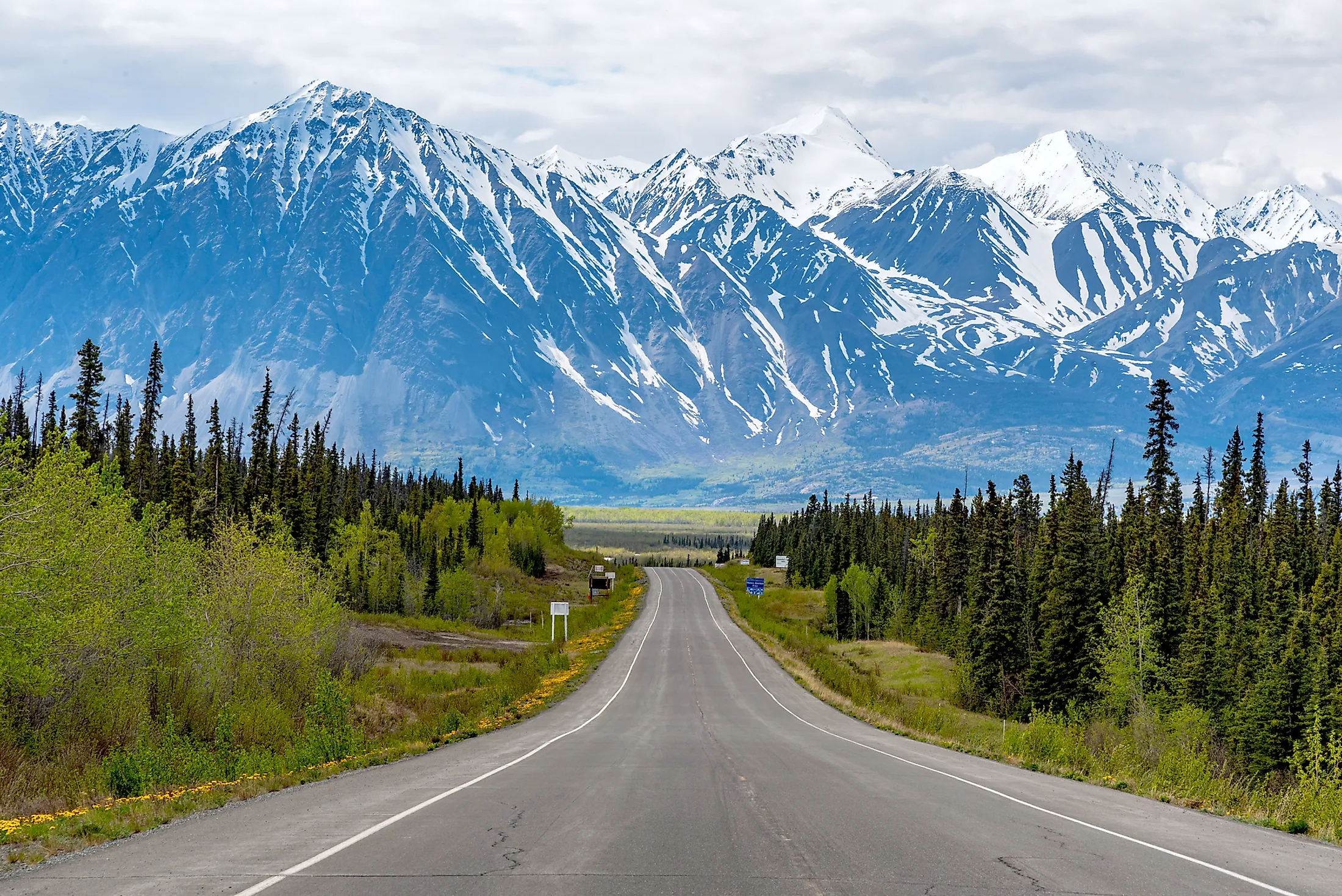
The Alaska Highway, stretching for over 1,300 miles, is a testament to the spirit of adventure and the allure of the Last Frontier. Kluane National Park marks its path, offering pristine mountain and ice field views. Watson Lake features the Sign Post Forest, a collection of over 80,000 signs from travelers around the globe. The road’s WWII military significance serves as a reminder of its historical importance. Encounters with local wildlife, such as bison and bears, add to the journey’s unique appeal. A report by the Canadian government indicates that the Alaska Highway contributes over $200 million annually to the Canadian economy, with a significant portion attributed to tourism. The highway is undergoing ongoing improvements to address the challenges of permafrost thaw and extreme weather conditions.
Lake Champlain Byway, Vermont
The Lake Champlain Byway, encompassing 184 miles, offers a scenic journey along the shores of Lake Champlain, Vermont’s largest lake. Sand Bar State Park provides opportunities for swimming, fishing, and birdwatching. Burlington, an artistic haven with an energetic waterfront, marks a highlight along the route. The Champlain Islands captivate with vineyards and apple orchards. The Shelburne Museum showcases American folk and decorative art. The Vermont Brewers Festival celebrates craft beer. The Lake Champlain Regional Chamber of Commerce estimates that tourism related to Lake Champlain generates over $500 million annually. The region is experiencing a growing interest in sustainable tourism practices, aimed at preserving the lake’s natural resources.
The Oregon Coast Highway, Oregon
Stretching along breathtaking landscapes, the Oregon Coast Highway weaves through key locations like Newport and Seaside. Natural gems, including Cannon Beach and Cape Perpetua, punctuate the route with gorgeous dunes and sandy beachfront. Newport and Seaside, brimming with coastal character, feature marine life and promenades that date back to the 1920s. The iconic Yaquina Head Lighthouse is an iconic spot along the coastline. History buffs can explore Fort Clatsop in the Lewis and Clark National Historical Park, while the Oregon Coast Jazz Party provides a rhythmic pulse right in Newport, an event for jazz lovers, by jazz lovers.
The Lake Superior Circle Tour
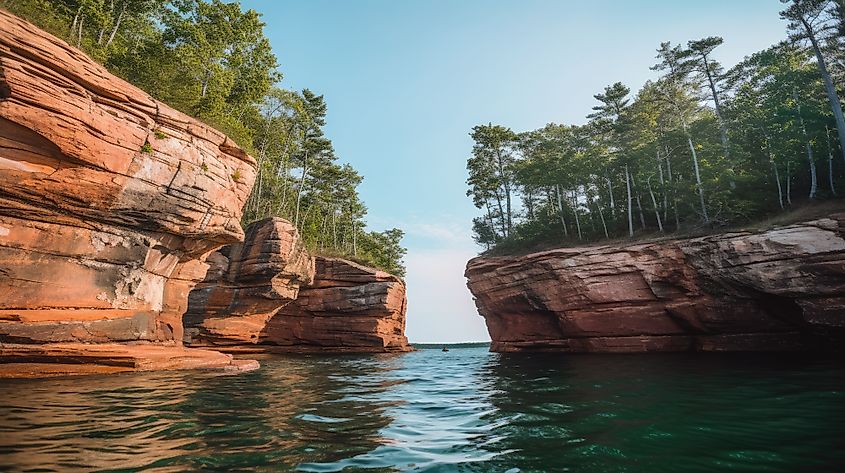
The Lake Superior Circle Tour, which follows the perimeter of the lake, is a remarkable journey through Michigan, Wisconsin, Montana, and Ontario. Noteworthy natural sites like Wisconsin’s Apostle Islands National Lakeshore provide a strong incentive to take this route. Cities such as Duluth, Minnesota, and Sault Ste. Marie, Ontario, offer opportunities to restock and unwind amid the primarily natural surroundings. Lighthouses along the way evoke nostalgia and romance, reminiscent of scenes from The Great Gatsby. The Great Lakes Shipwreck Museum in Michigan shares insights into the 350 shipwrecks on Lake Superior. Additionally, the Bayfield Apple Festival in Wisconsin showcases local customs and delicious treats.
Peter Norbeck Scenic Byway, South Dakota
The Peter Norbeck Scenic Byway, embracing South Dakota’s pastoral scenery, stretches 70 miles from Rapid City to Mount Rushmore. It features notable landmarks such as the Needles Eye and the Rushmore Presidents. Small towns like Keystone and Custer along the route provide spots for rest when needed. Sylvan Lake, a created landscape, offers a peaceful pause and was developed by Peter Norbeck and his predecessors. Norbeck, who the byway is named after, served as South Dakota’s governor in the early 20th century. The route also highlights the lively spirit of the annual Sturgis Motorcycle Rally, which attracts motorcycle enthusiasts nationwide.
As we conclude this exploration of scenic road trips in the Northern United States, it’s clear that these journeys offer far more than just a way to get from one place to another. They provide opportunities for cultural immersion, historical reflection, and connection with nature. Whether it’s the vibrant foliage of New England, the rugged coastline of Oregon, or the vast wilderness of Alaska, there’s a road trip to suit every traveler’s taste. The increasing popularity of road trips suggests a growing desire for authentic and immersive travel experiences. As "Senior Travel Analyst" Marcus Thorne suggests, "These routes represent a return to the core values of exploration and discovery, providing travelers with a chance to connect with the landscape and the people who call it home." The future of road travel in the Northern United States looks bright, with ongoing investments in infrastructure and a renewed appreciation for the region’s natural and cultural treasures.